
A New Way to Think About Change, by Sharon-Drew Morgen
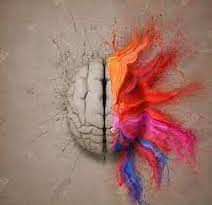 It’s often said that change is hard. But it only seems hard because of the way we’re going about it. I’ve been developing systemic brain change models for decades: With different thinking it’s possible to meet goals, enable buy-in, inspire ownership, and avoid resistance altogether.
We’re a culture dominated by the mind. Information. Data. Content. Stories. Facts. Our minds certainly need data to think with, to learn from and weight decisions with.
But it becomes a problem when we want to make a change. When we assume we can effect new behaviors and prompt change because we desire it and provide ‘rational’ reasons for it, because we’re in a leadership position and plan it, we often fail. You see, neither facts, stories, information or new goals cause permanent change.
PERMANENT CHANGE IS A BRAIN THING
Change is a brain thing (electrochemical; systemic); information and behaviors are mind things (intentional; tactical). Outputs – behaviors, actions, choices – emerge from instructions triggered by the brain.
Problems – failures, resistance, risk – arise when we assume we only need to change behaviors to solve a problem. There’s no way to change a behavior by merely trying to change a behavior: our brain will always produce the same output when we seek to replace something we’ve been doing (an action or habit or even an unconscious pattern) with a different behavior.
When we merely try to change our behaviors, there are no circuits to trigger the new for retention and ongoing use – the foundational problem with behavior-based change models. This is why
- Learning isn’t maintained;
- Patients don’t change their behaviors;
- Dieters can’t maintain weight loss;
- Coaching clients don’t permanently change;
- Buyers take so long to decide;
- important change management projects are resisted.
As important as any change might be, if there are no neural circuits to house the new instructions, or retain the proposed activities or learning, there’s no way for change to be maintained.
Take a look at my presentation at Columbia University Learning Ideas Conference in which I explain how to generate new neural circuits for a training program. And my book HOW? details the mind-brain connection and how to construct the specific circuitry to generate the choice we desire.

OUR BRAIN TRIGGERS BEHAVIORS
For permanent change, we must begin all change initiatives by setting up the systems (generally values-based and inclusive) that will automatically generate and maintain new choices. Trying to change without generating the new brain circuitry is like expecting your bike to ride itself without you peddling, then blaming the bike.
For example: when starting a new project, explaining to users the importance of the change (regardless of the need or efficacy of the solution) will generally produce resistance as the information may clash with the existing practices and habituated norms. But by assembling all involved, including their voices – needs, fears, ideas – and values-based criteria for change, it’s possible to set goals that everyone agrees to and works hard to achieve.
It’s the same with changing a habit. Instead of merely trying to change behaviors that have been habituated and normalized for some time, figure out the core beliefs and values that need to be met (“I’m a healthy person seeking my best food choices to maintain my weight over time”, rather than “I need to lose weight, and this time I’ll keep it off!”) and incorporate the values-based criteria into the change.
Unfortunately, discipline or ‘rational’ thinking or new goals can’t prompt new circuit configurations or new activity. Things like maintaining new habits, trying to maintain departmental change, pitching a product or story to prompt decision making, cannot be triggered into normalized action because of the risk they pose to the status quo. And our current change practices don’t have the tools to get to the specific areas in the unconscious to generate new neural circuits to trigger our new choices.
Current change models try to fix the symptom and ignore modifying the initiation point (generally values-based) they emanate from. Models like Behavior Modification, or Cognitive Behavior Change or ADKAR or Kotter try to push change with mind-based mastery like discipline, repetition, regulation, rational thinking, habit creation, practice, and training. But the mind has no way of carrying out our wishes. The mind is merely the translator of the brain’s instructions.
CHANGE FACILITATION
I have spent decades unwrapping the route between the conscious and the unconscious and have developed unique, unbiased, systemic skill sets to generate new neural circuits: a form of question that is brain directional; a meta way to listen; the sequence of change, etc. to enable permanent change and learning.
I train these facilitation models in sales, coaching, OD, System Dynamics, training and healthcare to help learners learn permanently, help buyers make decisions, help clients make permanent change, help teams change and clients implement large scale projects.
Got it? So next time your team is having a hard time making a change and giving you resistance, call me and I’ll teach you all how to facilitate change permanently…from the brain.
_____________________________

Sharon-Drew Morgen is a breakthrough innovator and original thinker, having developed new paradigms in sales (inventor Buying Facilitation®, listening/communication (What? Did you really say what I think I heard?), change management (The How of Change™), coaching, and leadership. She is the author of several books, including her new book HOW? Generating new neural circuits for learning, behavior change and decision making, the NYTimes Business Bestseller Selling with Integrity and Dirty Little Secrets: why buyers can’t buy and sellers can’t sell). Sharon-Drew coaches and consults with companies seeking out of the box remedies for congruent, servant-leader-based change in leadership, healthcare, and sales. Her award-winning blog carries original articles with new thinking, weekly. www.sharon-drew.com She can be reached at sharondrew@sharondrewmorgen.com.

Sharon Drew Morgen February 2nd, 2026
Posted In: Change Management